
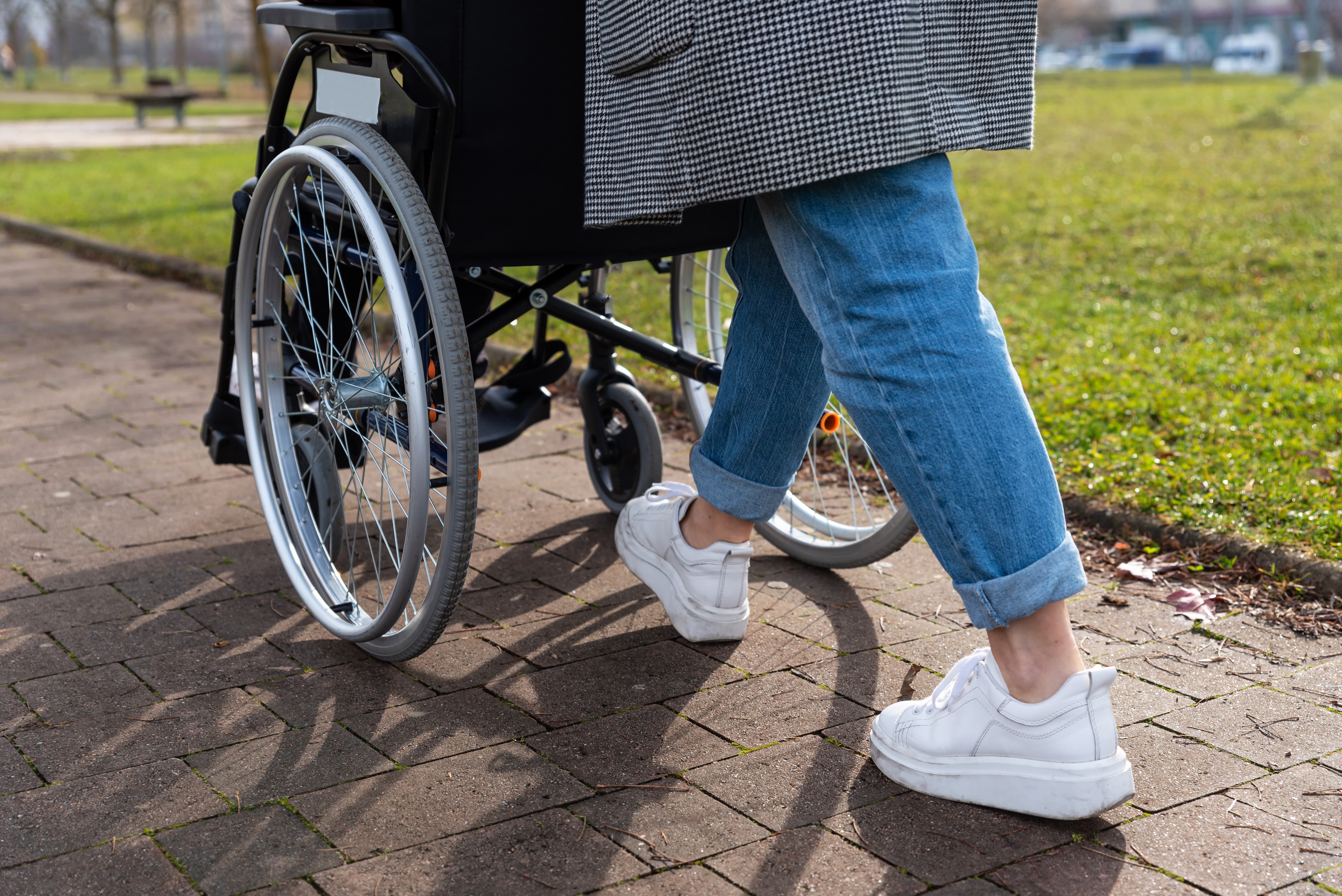
Julia White, Senior Art Director
When I was in elementary school, I fractured my right elbow on the playground. With my dominant hand out of commission for weeks, I was forced to work on my ambidexterity — and to struggle through a world clearly designed for right-handers. My school desk wasn’t shaped to support my left arm, left-handed scissors were hard to come by and I was often colliding with my dining companions’ elbows.
The Social Model of Disability states that disability is a mismatched human-to-environment interaction, shifting the burden of adaptation from the person to the products they interact with. While being left-handed is not a disability, left-handed people make up approximately 10 percent of the global population, and yet many products aren’t designed for them.
Web-Impacting Disabilities
Imagine alienating 10 percent of your audience. Imagine 20 percent, 28 percent — the approximate global percentages of people with auditory and visual limitations, respectively. These are the two most common categories of web-impacting disabilities. Is your website designed for them?
Now Is the Time to Update Your Website
If it’s been a while since you’ve looked at your website through an accessibility lens, you’re not alone. Most organizations mean to revisit it — then life (and work) gets in the way. A few things worth knowing as you plan:
- Nearly 98% of websites don’t pass Web Content Accessibility Guidelines, which are updated every few years, making an annual accessibility audit a smart best practice
- There can be legal implications tied to inaccessible websites (something many organizations are becoming aware of — some of our government clients have until spring 2026 to become compliant)
- Accessibility isn’t just the right thing to do, it’s good for business, improving SEO, usability and ultimately revenue
- In the United States, half of all internet users use voice search daily, which makes voice-friendly design and alt text more important
Your organization’s goals matter — as does avoiding a lawsuit! The good news? Accessibility improvements don’t have to be overwhelming, and small changes can make a meaningful difference.
Designing for One Benefits All: Accessibility in Real Life
A well-designed school desk would be one that any student can use, right- or left-handed, whether by nature or circumstance. Microsoft Inclusive Design methodology holds that designing for a permanent disability also benefits those with temporary and situational limitations.
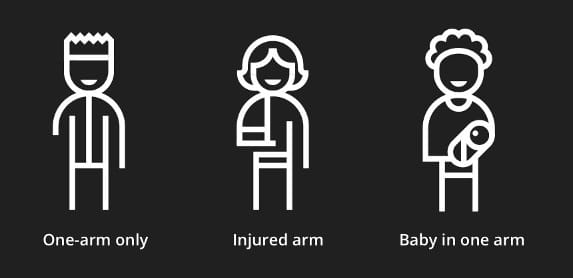
Think of a sidewalk curb cut. Originally designed to make walkways accessible to someone using a wheelchair, these affordances also benefit someone on crutches or pushing a stroller. In the digital space, think of high-contrast color combinations. These are more easily perceived both by someone with colorblindness and by someone looking at a phone screen in bright sunlight.
Even a person without a permanent disability will experience temporary or situational impairments throughout life. There is no such thing as a “normal” human. Let’s design the web to be usable by everyone.
A Necessity, not a Feature
If disability is a disparity between a human and a product, it’s the responsibility of the product to bridge the gap. At JayRay, we treat accessibility as a necessity, not a feature — designed for real people. It’s baked into our web design process. It’s part of a website’s structure, supporting each decision layer by layer — not frosting to slap on at the end.
Sure, an accessible website checks a legal box. But more importantly, it reaches your audience. Amplifies your message. Supports your mission. Builds trust in your brand. And contributes to a World Wide Web where everyone is welcome.
Get in touch to see if your website is accessible. You don’t have to guess. We’ll take a look. Our accessibility check identifies key issues and outlines realistic next steps, so you can move forward with confidence, without overhauling everything at once.
Julia White is a senior art director at JayRay. With a background in User Experience Design, she leads JayRay’s inclusive design and accessibility efforts.